
The past year was unforgettable. Last March, I was wrapping up my job as Parish Visitor at my church and trying to say goodbye to many of the church’s seniors in my last week. I hoped to visit seven seniors. Two were in lockdown. I visited with four of the remaining five. Two of these four died before the year was completed.
A long-time friend and colleague also died about a year ago. I spoke at her Celebration of Life in July. Not all of these friends died of COVID, but the sad reality was that I did not really say my proper goodbyes because coronavirus protocols prohibited visits in their last days.
How about you? Have you accounted for the losses in the past year? Where were you in when the virus was on the rampage? Did you lose relatives or friends?
My background in the field of death, dying, and bereavement tells me it is important to acknowledge these losses. One of the most important needs for mourning is remembering the loved one. The remarks I made at my friend’s life celebration in July was good for me, and for those in attendance.
I am concerned for those who had to postpone funerals or other rituals during the pandemic. Hopefully, those ceremonies will be held. These gatherings present the opportunity for families and friends to finally begin to mourn amid the cherished conversations and support from others.
And remember, there are many other losses suffered in the past year. Children from preschool to college lost many of the friendships and celebrations such as proms and graduations that they cannot get back. Many small businesses closed for good despite the country’s efforts to save them. Dreams lost and financial losses grew. The COVID symptoms have stayed with many people even after hospital discharges. We await the research to figure out why this occurs and proper treatments.
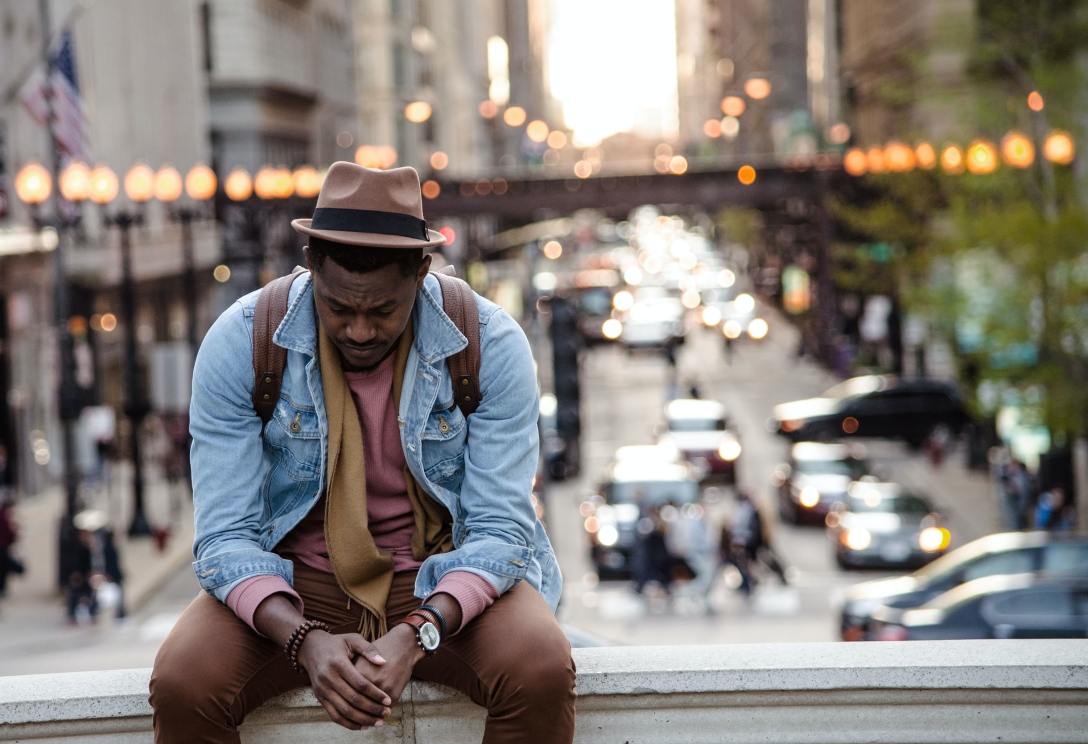
We must not forget all that has happened over the past year. People have been wounded, lonely, anxious and afraid. If you have family or friends like this, please help them.
Help can begin with a listening ear. You might ask them “what’s happened in the last year?” Then, just listen. Ask about their feelings and how they have survived to this point. Then, just listen and affirm. You will give them a great gift.
For people of faith, reading their Bibles or holy scriptures should help. The Book of Psalms has helped generations of the faithful to find words of lament and prayer along with the hope and promise of a loving God. Psalm 13 and 44 are examples of laments. Psalm 30 is a personal favorite. The verse, “Weeping may linger for a night, but joy comes in the morning,” is a mantra for the broken. The book, The Healing Power of the Psalms, by Samuel Chiel and Henry Dreher may be a helpful resource.
People experiencing complicated grief will benefit from the expertise of therapists trained in grief and loss. Encourage that.
Now, thankfully, communities are returning to some degree of normalcy. The past year, for the most part, has been traumatic. We should celebrate the return of personal lifestyles thanks to health care workers and research scientists whose work has saved millions of lives. I grimace however when people say the pandemic is over. For a number of countries around the world the pandemic is still raging. And for millions in our country, the difficult task of mourning has just begun. Please help them find the peace in their lives they so dearly miss!
 At Peace