
“Life must be lived forward, but can only be understood backward.”
Soren Kierkegaard
When writing about grief and loss, I often refer to the work of my mentor, Dr. Alan Wolfelt. Alan developed The Six Reconciliation Needs of Mourners which I used regularly when speaking with the bereaved. Recently, I’ve been thinking about the importance of one of those needs: Remembering the person who died.
I have always loved the quote above. Kierkegaard hits on the importance of memories to help us understand life’s mysteries. This post is devoted to helping the bereaved continue their relationship with the deceased through memories.
You may question encouraging loved ones to remember the person who died. Will you will make the bereaved person cry or feel worse? Well, I’ve been told by numerous bereaved people that you cannot make them feel any worse.
The memory of others is incredibly important to us. Some Jewish traditions believe that a person dies three times:
- first, when they physically die,
- next, when their soul leaves their body,
- finally, when that person’s name is no longer mentioned by the living.
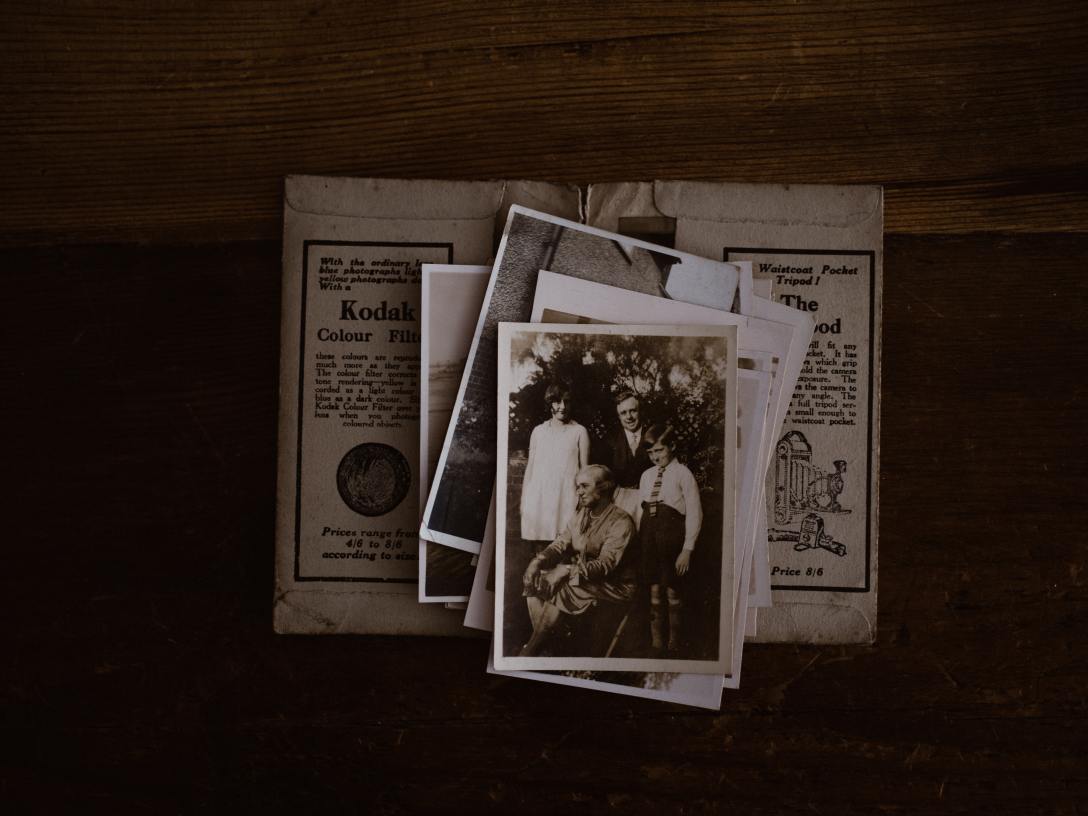
You are mourning well by publicly saying the loved one’s name and remembering the memories! Remembering the person can occur through dreams, photos, songs, places, food and countless other means.
Additional ideas? For the bereaved, go through those digital or printed photos and find the ten or so most important for memories and keep them handy. And for those helping the bereaved, ask them about their loved ones, for example: what were they like, what was their favorite food, what was the funniest thing they did, and may I see a picture of them. They may cry, they may laugh and either way, you are helping them reconcile their loss through their memories.
We are all tired of hearing about the coronavirus and its impact. Why write this? The United States is in the midst of another spike in COVID infections. On July 6 of this year, there were approximately 220 deaths from COVID in the U.S., a low point from the peak of 3,425 deaths on January 13 of this year. On August 7 there were 508 COVID deaths. (Statistics – Our World in Data Website: Source: Johns Hopkins University)
Another professional and friend of mine in the field of grief and loss is Dr. Lani Leary. Lani closed a memorial presentation years ago with three invitations to the bereaved: “Tell the story, tell the story, tell the story!” I agree.(My disclaimer and suggestion: people suffering from complicated grief may require the care of a licensed mental health professional).
 At Peace