
Our family had a wonderful Memorial Day celebration this week. My day started with preparing two large slabs of pork ribs, cutting-up strawberries for dessert, running to the store for extra ice, washing last night’s dishes, and cleaning the back yard and deck. I’m tired just typing about it.
I did a lot of thinking about Memorial Day this year. Attending church the day before the holiday helped because our pastor included references to Flanders Field (reference to the first World War) and the Gettysburg Address (a Civil War reference) in his sermon. Family members who had any relative serve in the military, living or deceased, were invited to stand. I stood to honor and remember my father who served in World War II.
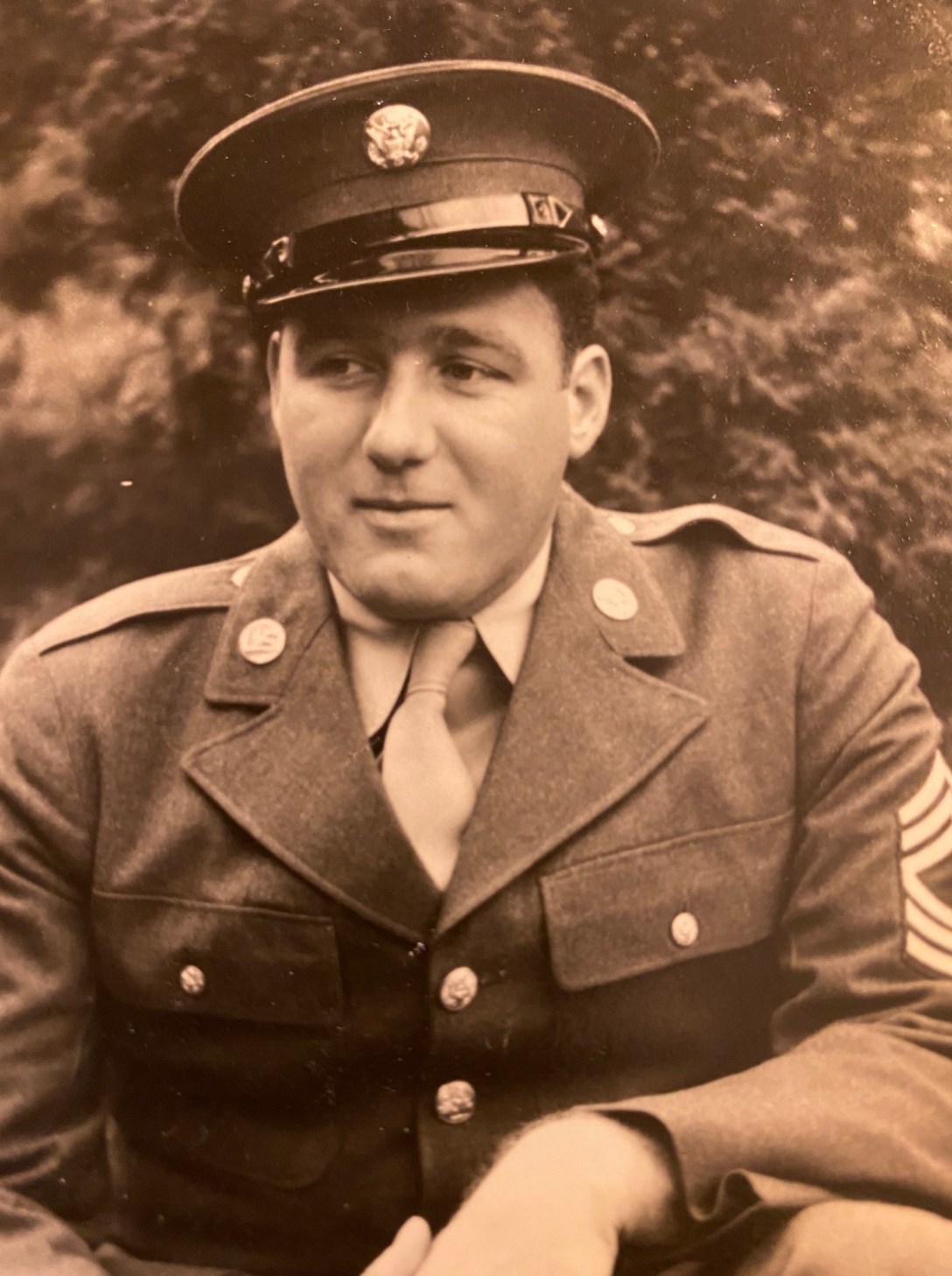
My Dad’s photo is shown above! He was a member of the greatest generation and served in the Pacific campaign, but we heard very little about his particular service – not unusual for that generation. I know he was a Master Sergeant and was in the Pacific Campaign following the Battle of Okinawa. He told us that his group searched for Japanese soldiers hiding after the battle. Nothing else was said. I can only imagine the difficulty of that duty.
Memorial Day was also on my mind because of all the comparisons we are hearing between death losses from the wars of the last century and the coronavirus pandemic. As of Memorial Day, over 594,000 deaths in the U.S. have been attributed COVID-19. My research indicates the number of pandemic deaths exceed the battlefield deaths from World War I and II, the Korean War, and the Vietnam War combined.
I struggle, however, with understanding the meaning of these comparisons. Clearly, wars and pandemics both result in many deaths and horribly tragic loss and devastating grief. We could argue which situation caused worse horror, the wars to save our freedom or the circumstances of the pandemic battles, but I am not sure how that conversation helps us. There are lifesaving heroes in both situations who should be honored. The primary commonality in the comparison is, of course, the loss of life. My heart goes out to surviving families touched by either.
Those who died in service to our country deserve the Memorial Day recognition. The people who have died, and will continue to die, from causes related to COVID-19 also had lives worth remembering. They lived lives as devoted wives, husbands, grandparents, parents, sons, daughters, aunts and uncles, and dear friends.
What will we do to remember those lost in the battle against a deadly virus? A relatively small number of memorial events for COVID tragedies have occurred throughout our country. Such events are valuable to help us remember as a community. We need more collective mourning opportunities.
Day-to-day recognition is also important. I would encourage reaching out to the families who are suffering a death loss and simply convey your sorrow. You might ask about the life of their loved one, and listen for the acts of devotion. Sharing the remembrances of loved ones help in the mourning process. You will provide a wonderful gift by listening. Please consider your neighborhood, workplace, faith-based communities or other groups for folks who now mourn the pandemic losses. There are millions of people searching for peace in their lives.
I would love to hear your ideas and thoughts.


Good article Robin. I was not aware of your dad’s service. I tried to attach a photo of my dad to this site but couldn’t figure it out. He landed in La Havre France and the photo was taken just before his unit helped liberate Flossenberg Concentration Camp. He broke the rules and brought home some confiscated weapons he took from Nazi soldiers. We donated them to the Virginia Holocaust Museum when he passed. They are all going away. We lost the last WWII veteran in our church three months ago. Certainly worthy of a day of remembrance. Dave
LikeLike