
We are reading and hearing that the Covid pandemic is a thing of the past. Maybe, but 500 people died from the virus per day on average last week. Another booster shot for the prevalent variant is being distributed to the public in the coming weeks. Stay safe, friends.
But even when this virus becomes nearly eradicated, the pandemic will never be forgotten in the minds of everyone living in our country. Today, I want to reflect on the children who surely will remember the impact. When 1.05 million people die, millions more remain to grieve the deaths and to try to adjust from all that has happened in the past few years. According to a NPR report, more than 250,000 children in the U.S. have experienced the death of a parent or primary grandparent caregiver.
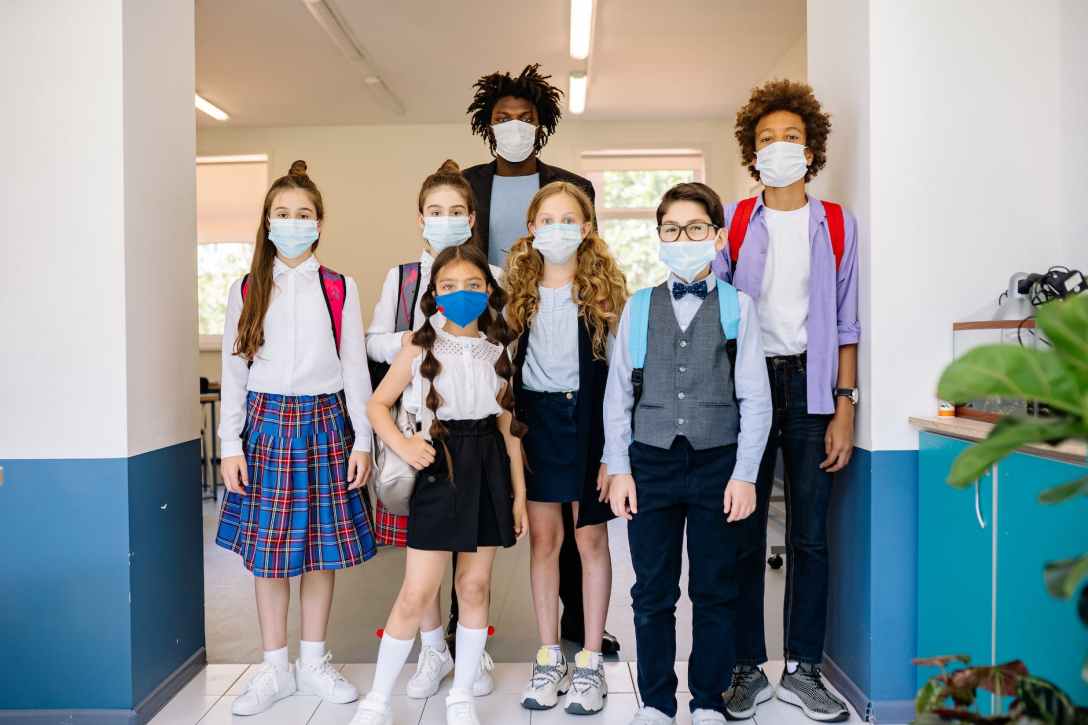
Even when there is no death loss, children will remember Covid. My six-year-old twin grandchildren told me they will always remember wearing masks every school day. They will remember how their mommy took care of them as best she could when they were quarantined at home for ten days due to their mom’s Covid diagnosis.
Older students may have lost the most. I have previously written of young people losing the athletics, proms, and graduation ceremonies due to the pandemic. And now we are hearing of the educational impact of at-home studies during school closures or hybrid education. Those efforts were difficult from the start because of the disadvantages children had in studying with poor internet connections and home study capabilities. Many children are now significantly behind in educational development. This is not the fault of the educational professionals – it is fallout from the pandemic.
According to the study discussed on NPR, the responses of children to death and other losses may lead to mental health issues, prolonged grief, dropping out of school, and possibly suicide. The seemingly constant mass killings in our country and in schools, a topic for later discussion, multiplies the problem. Most children who experience horrendous trauma will require specialized mental healthcare but there are exciting new responses to the most serious needs. In Colorado, a bereavement education program for schools encourages children to talk about their grief. Teachers and classmates are learning how to support bereaved students. It is my hope that similar programs will pop-up across our country. (A helpful resource may be, The Stolen Year: How COVID Changed Children’s Lives and Where We Go Now, by Anya Kamenetz)
My mentor, Dr. Alan Wolfelt, taught me that the experts in grief are the people who experience the loss. Everyone in a bereaved child’s life can be supportive by listening and honoring their grief journey. Asking questions of a child at an appropriate learning level will bring forth information to help companion them.
Children often are called the hidden victims of loss. They often do not know how to communicate their grief. Helpful adults, learned teachers and caring classmates would be most helpful in restoring a child to being At Peace.


Hi Robin,
I so enjoy and look forward to your postings.
Stay well my friend
LikeLike